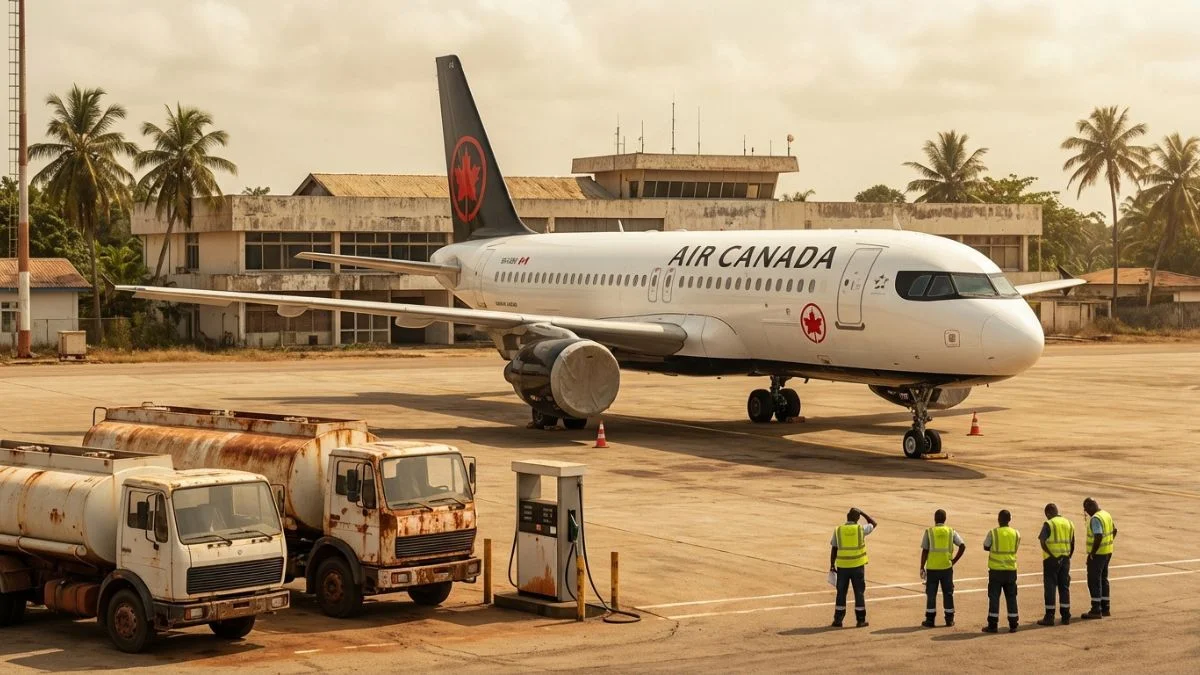
Air Canada has officially suspended all commercial flight operations to Cuba effective February 9, 2026. The decision comes as the Caribbean nation faces a critical depletion of aviation fuel, largely attributed to an intensifying U.S. oil blockade.
The carrier, which operates an average of 16 weekly flights to the island, cited the unreliability of fuel supplies at major Cuban airports as the primary reason for the immediate halt in service.
Also Read


Critical Aviation Fuel Shortage at Cuban Airports
The suspension was triggered by a formal Notice to Air Missions (NOTAM) issued by Cuban aviation authorities. The notice warned international carriers that Jet A1 fuel would not be commercially available at nine major airports, including Havana’s José Martí International Airport, starting February 10, 2026. This shortage is expected to persist until at least March 11, 2026.
According to a statement from the Air Canada Newsroom, the airline reached this decision following government advisories regarding the “unreliability of the aviation fuel supply.” Without the ability to refuel on the island, long-haul flights from Canada cannot safely operate their return journeys without significant technical modifications or stops in third-party countries.
Impact of the U.S. Oil Blockade
The current fuel crisis is linked to a broader energy emergency exacerbated by the United States’ “oil blockade” policy. The U.S. administration has recently implemented measures to obstruct oil shipments to Cuba, including threats of increased tariffs on nations that provide petroleum to the island.
This geopolitical pressure has severed Cuba’s access to its primary oil sources in Venezuela and Mexico. The resulting energy deficit has not only grounded international flights but has also led to:
- Widespread rolling blackouts lasting up to 10 hours daily.
- The closure of universities and reduced public transport services.
- Strict rationing of gasoline and diesel for the local population.
Repatriation of 3,000 Stranded Travelers
Air Canada has prioritized the safe return of approximately 3,000 customers currently at various Cuban destinations. To facilitate this, the airline is operating a series of “ferry flights”—sending empty aircraft southbound to pick up passengers and return them to Toronto and Montreal.
To manage the fuel shortage during these repatriation efforts, Air Canada confirmed it will “tanker” additional fuel (carrying extra fuel from Canada) and, if necessary, make technical refueling stops in nearby regions on the return journey. Most affected travelers are part of Air Canada Vacations packages, and the company has deployed local representatives to support guests still on the island.
Information for Affected Passengers and Refunds
The airline has introduced a streamlined refund policy to assist travelers with canceled bookings. Key points for affected customers include:
- Automatic Refunds: Customers scheduled to travel between February 9 and May 1, 2026, will receive a full refund to their original form of payment.
- No Contact Required: Air Canada stated there is no need for customers to contact their call centers, as refunds will be processed automatically in order of departure dates.
- Tentative Restart: While seasonal flights to Holguín and Santa Clara are canceled for the remainder of the season, service to Varadero and Cayo Coco is tentatively scheduled to resume on May 1, 2026, pending further review of the fuel situation.
Broader Disruption in Cuban Tourism
Air Canada is not the only carrier affected. Other major Canadian airlines, including WestJet and Air Transat, have also begun winding down operations or implementing contingency plans.
While some international carriers from Europe and Mexico are attempting to maintain service via technical stops in the Dominican Republic or Cancun, the lack of local fuel remains a significant barrier to regular tourism.
The suspension represents a severe blow to Cuba’s tourism sector, which is a vital source of foreign currency for the island. With the U.S. blockade continues to tighten, the timeline for the restoration of stable aviation services remains uncertain.

Marc Sterling is a knowledgeable writer focused on immigration, citizenship, and visa processes, helping readers navigate complex legal landscapes.
Also he covers all the Latest News around Canada Daily.