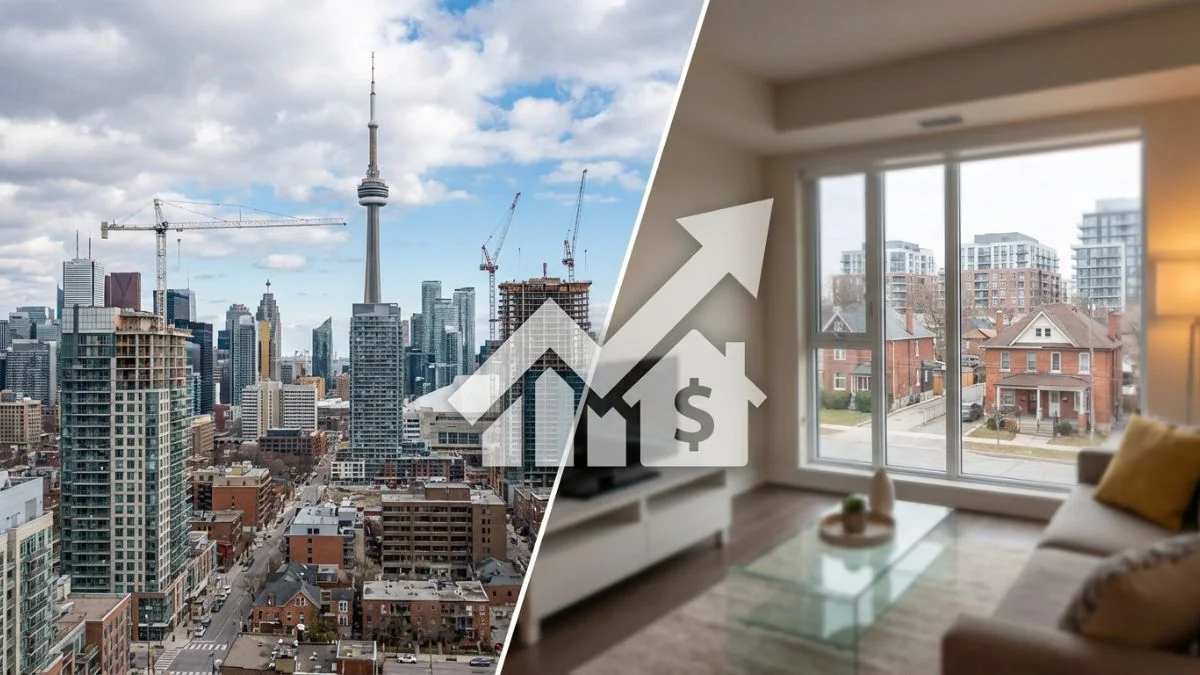
The Ontario housing landscape is experiencing a significant shift as 2026 begins, marked by a cooling rental cap and a housing market that increasingly favors buyers. For the millions of residents navigating the province’s real estate sector, understanding the latest provincial mandates and market data is essential for making informed financial decisions.
Official 2026 Rent Increase Guideline Announced
The Government of Ontario has officially set the 2026 rent increase guideline at 2.1%. This rate represents the maximum amount a landlord can increase the rent for most sitting tenants without seeking special approval from the Landlord and Tenant Board (LTB).
Also Read



According to the Ontario Newsroom, this 2.1% cap is the lowest in four years, a decrease from the 2.5% maintained throughout 2023, 2024, and 2025. The provincial government has tied this figure to the Ontario Consumer Price Index (CPI), reflecting a slight cooling in inflationary pressures compared to previous years.
Scope and Exemptions of the 2.1% Cap
It is important for tenants to note that the 2.1% guideline applies to rent increases taking effect between January 1 and December 31, 2026. However, the cap does not apply to all residential units. Key exceptions include:
- Rental units first occupied for residential purposes after November 15, 2018.
- Vacant residential units (landlords can set new rates for new tenancies).
- Community housing and long-term care homes.
- Commercial properties.
For rent-controlled units, landlords must still provide at least 90 days’ written notice using the official N1 form, and rent can only be increased if at least 12 months have passed since the last increase or the start of the tenancy.
Ontario Housing Market Outlook: A Shift Toward Buyers
The resale market in early 2026 has entered what analysts describe as a “buyer’s market.” Data from the start of the year shows that housing supply is currently outpacing demand in several major regions, including the Greater Toronto Area (GTA) and surrounding suburban hubs.
Current Pricing and Inventory Trends
As of January 2026, the average selling price of a home in Ontario was approximately $745,800, reflecting a 7% year-over-year decrease. The condominium sector has seen the most significant correction, with average condo prices in Ontario falling 9.1% annually to roughly $496,200.
Detailed market reports from the Toronto Regional Real Estate Board (TRREB) indicate that elevated inventory levels are providing buyers with substantial negotiating power. In the GTA, the average home price forecast for the remainder of 2026 ranges between $1 million and $1.03 million, as many buyers remain cautious despite improved affordability on paper.
New Legislation and Policy Changes Impacting Tenants
Legislative updates are also reshaping the rights and responsibilities of residents. The introduction of Bill 60: Fighting Delays, Building Faster Act, 2025, has brought forward several proposals aimed at streamlining processes at the Landlord and Tenant Board.
- Eviction Notice Changes: The proposed legislation suggests shortening the notice period for rent arrears filings and reducing the time available for tenants to appeal LTB decisions.
- “Own Use” Evictions: Under new proposals, compensation requirements for “landlord’s own use” evictions may be adjusted if the tenant is provided with at least 120 days’ notice.
- Development Incentives: To combat the housing shortage, the province has implemented development charge deferrals to improve cash flow for builders, specifically targeting purpose-built rental construction.
Financing and Mortgage Rate Expectations
Financial conditions in early 2026 remain a mixed bag for prospective homeowners. While the Bank of Canada lowered policy rates in late 2025, providing some relief for variable-rate holders, fixed mortgage rates have stayed relatively high due to elevated bond yields.
Economists from major Canadian banks suggest that interest rates may remain a “neutral factor” for much of 2026. Buyers are advised to monitor the mid-year economic performance, as any shifts in the Consumer Price Index could influence further central bank adjustments.
Frequently Asked Questions
What is the maximum rent increase in Ontario for 2026?
The legal rent increase guideline for most rent-controlled units is set at 2.1% for the 2026 calendar year.
Does the 2.1% rent cap apply to new buildings?
No, units first occupied for residential purposes after November 15, 2018, are exempt from the provincial rent increase guideline.
Is 2026 a good time to buy a home in Ontario?
Current data suggests a buyer’s market with high inventory and lower average prices, particularly in the condominium and suburban segments.

Ben Lee is a content writer specializing in government schemes and public benefit programs, delivering clear and up-to-date information to help readers understand eligibility, payments, and policy changes.