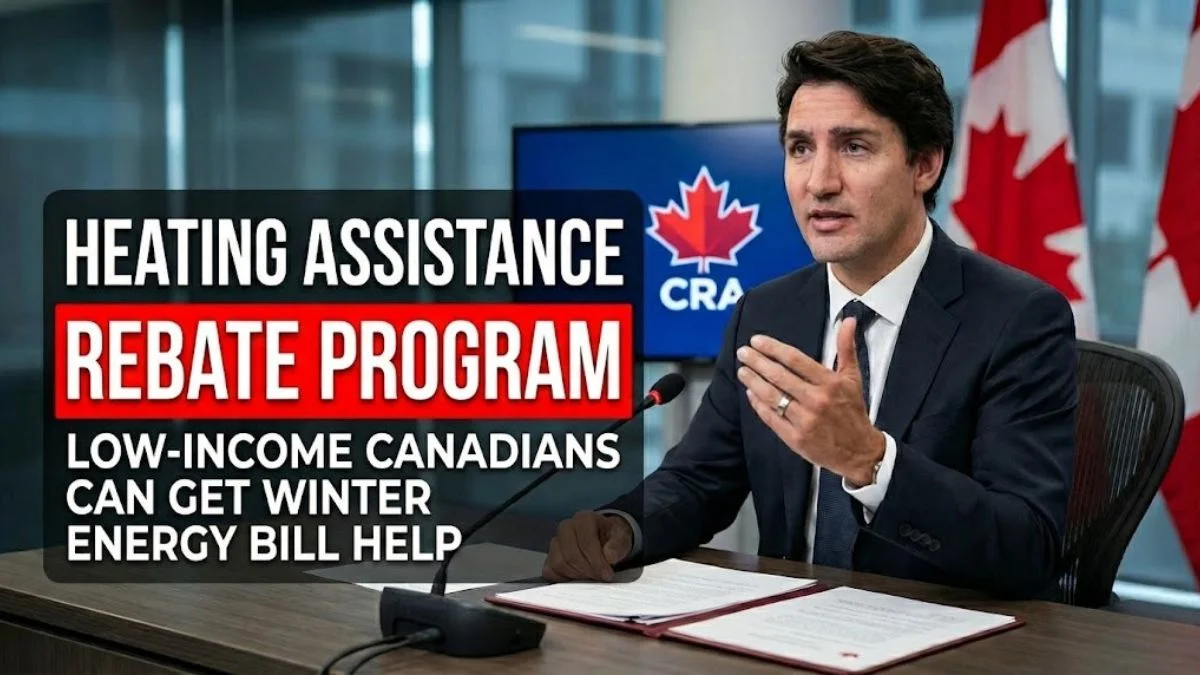
As winter temperatures persist across Canada, many low-income households are seeking relief from high energy costs. One of the primary support mechanisms available is the Heating Assistance Rebate Program (HARP), alongside various provincial and federal initiatives designed to reduce the financial burden of home heating.
The current 2025-2026 program cycle is now active, offering direct financial rebates to eligible residents. These programs aim to ensure that vulnerable populations, including seniors and single-parent households, can afford to keep their homes warm during the coldest months of the year.
Also Read



Nova Scotia Heating Assistance Rebate Program (HARP) 2025-2026
The Government of Nova Scotia has officially opened applications for the Heating Assistance Rebate Program for the current season. Eligible residents can receive a rebate of $400 to help with home heating costs.
Eligibility Criteria
To qualify for the Nova Scotia HARP, applicants must pay for their own residential heat and meet specific income thresholds based on their 2024 tax year:
- Single-person households: Net income of $30,000 or less.
- Families/Multi-adult households: Combined net income of $45,000 or less.
- Recipients of Social Support: Individuals receiving Income Assistance or the Guaranteed Income Supplement (GIS) are also eligible.
Key Deadlines and Application Process
The application period for this cycle runs from October 1, 2025, to March 31, 2026. Applicants are encouraged to apply online through the official Nova Scotia Government portal to ensure faster processing. Once approved, rebates are typically issued within 8 to 10 weeks via direct deposit or cheque.
Additional Provincial Support Programs
Beyond Nova Scotia, other provinces have implemented similar measures to assist low-income residents with energy bills.
Prince Edward Island (PEI) Home Heating Program
The Salvation Army, in partnership with the PEI government, is administering the 2026 Home Heating Program.
- Benefit: Up to $1,200 per calendar year for fuel expenses.
- Income Limits: $45,000 for single persons and $60,000 for families.
- Requirement: Applicants must face an immediate hardship in meeting heating costs and provide proof of income and fuel bills.
British Columbia Energy Savings Program
In British Columbia, the Energy Savings Program provides significant rebates for low-to-moderate-income households looking to upgrade to energy-efficient heat pumps. Depending on income levels, residents can receive up to $24,500 to cover the costs of switching from oil or gas to electric heating systems.
Federal Initiatives: Oil to Heat Pump Affordability Program
The Government of Canada continues to offer the Oil to Heat Pump Affordability (OHPA) Program, which is specifically targeted at homeowners who currently heat their homes with oil.
- Grant Amount: Eligible households can receive up to $10,000 (and in some provinces up to $25,000 through co-delivery) to transition to a heat pump.
- Upfront Payment: Unlike traditional rebate programs, the OHPA provides funds upfront so that homeowners do not have to pay the full cost out of pocket.
Required Documentation for Applicants
Regardless of the province, most heating assistance programs require the following documents to verify eligibility:
- Proof of Income: A 2024 Notice of Assessment (NOA) from the Canada Revenue Agency.
- Social Insurance Number (SIN): Required for all adults residing in the household.
- Heating Bill or Receipt: A recent invoice from a fuel supplier (oil, propane, wood, or electricity) may be requested to confirm the applicant pays for their own heat.
Frequently Asked Questions
How much can I get from the Heating Assistance Rebate Program (HARP)?
Eligible Nova Scotians can receive a $400 rebate per household for the 2025-2026 season.
When is the deadline to apply for heating assistance in 2026?
For the Nova Scotia HARP, the deadline to submit your application is March 31, 2026.
Can renters apply for the heating assistance rebate?
Yes, renters are eligible for programs like HARP as long as they pay for their own heating costs separately from their rent.

Ben Lee is a content writer specializing in government schemes and public benefit programs, delivering clear and up-to-date information to help readers understand eligibility, payments, and policy changes.